The Ultimate Guide to Mountain Biking in Rotorua
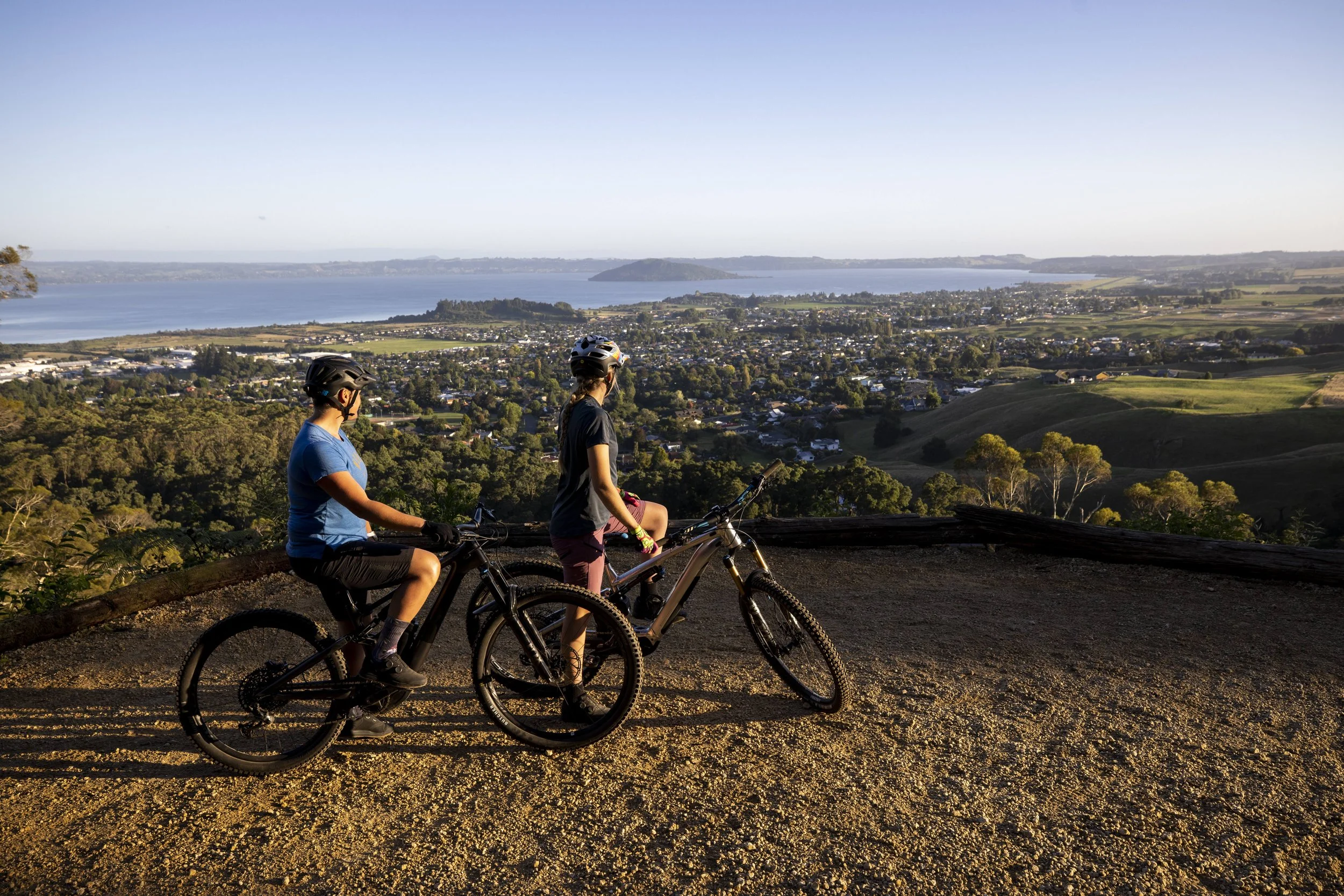
Few places in the world carry the weight that Rotorua does in mountain biking. Ask any serious rider where they would go for a single, unforgettable week on a bike, and Rotorua comes up almost every time. It has hosted World Cup rounds, shaped a generation of professional riders, and built a trail network so extensive that locals still discover new lines after years of riding it. For anyone searching for a proper mountain biking Rotorua trip, or trying to make sense of the sheer scale of the region's tracks, this guide covers what actually matters: the trail network, the skill levels, the seasons, and the details that only come from riding here year-round.
Why Rotorua Became New Zealand's Mountain Biking Capital
Rotorua's rise to the top of the mountain biking world did not happen by accident. The region sits on volcanic soil, which drains fast and holds its shape even after heavy rain, meaning trails that would turn to mud anywhere else stay rideable within hours of a storm. Add a temperate climate, a forestry commission willing to lend land for trail development, and a community of builders who have spent over two decades refining the network, and the result is a destination that genuinely earns comparisons to the best riding regions on earth.
This combination of terrain, climate, and community is exactly why Rotorua supports everything from casual weekend riders to World Cup downhill athletes on the same network, often on the same day.
The Rotorua MTB Trails Guide: Trail Network Breakdown
Understanding Rotorua's geography is the first step to planning a trip that actually makes sense. The riding is spread across a handful of major hubs, and knowing what each one offers changes how a trip should be structured.
Whakarewarewa Forest
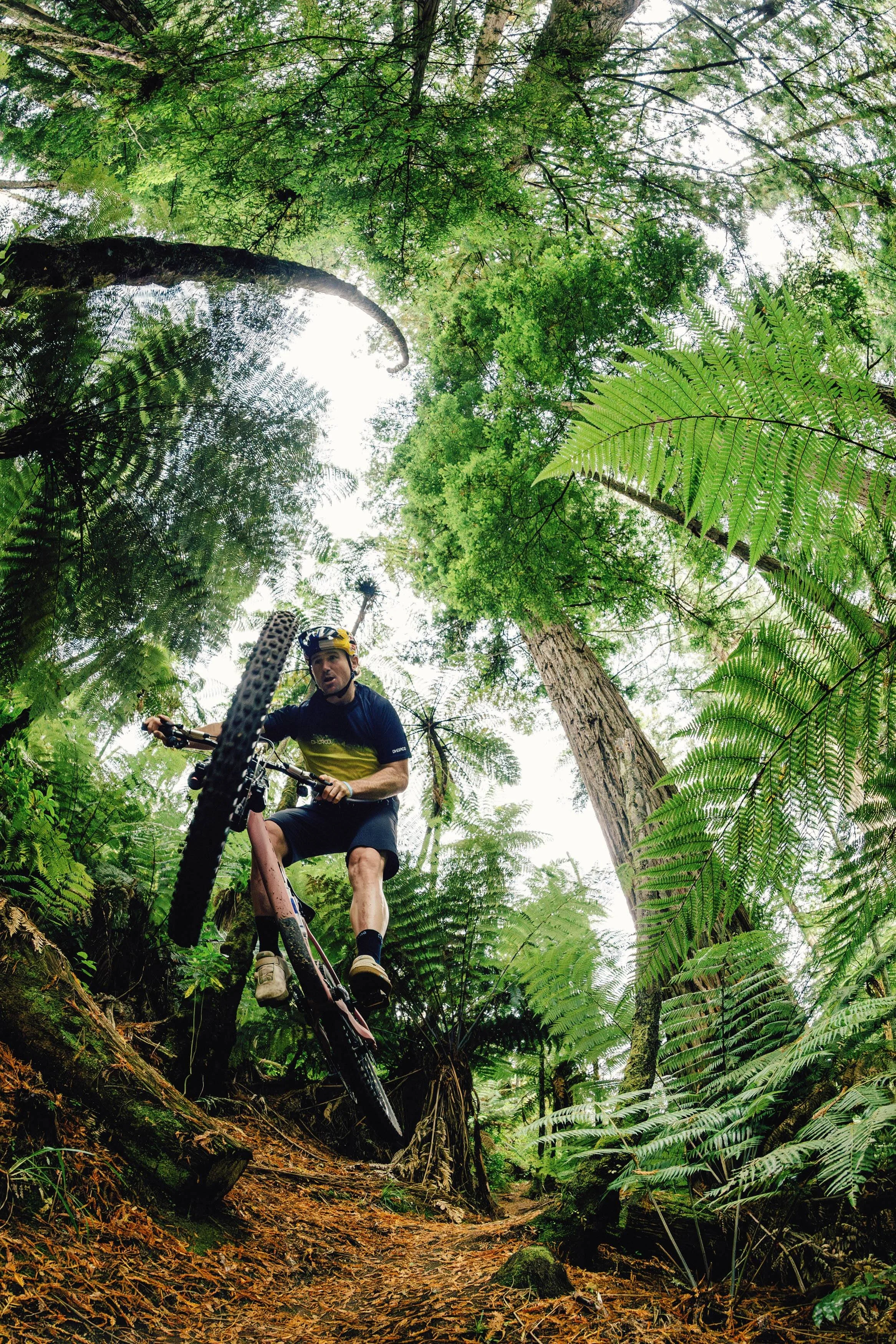
The Redwoods is the trail network most people picture when they think of mountain biking in Rotorua, and for good reason. More than 180km of interconnected singletrack winds beneath towering 120-year-old redwood trees, creating a canopy that filters light into a green, cathedral-like glow. The trail count here runs into the hundreds, ranging from smooth, wide cruisers to tight, technical black-graded descents.
What makes the Redwoods special is not just the volume of trails but how well they interconnect. A rider can string together a two-hour loop or a full-day epic without repeating a single trail, and the i-SITE visitor centre at the trailhead makes it easy to get oriented with trail maps and current conditions.
Skyline Rotorua
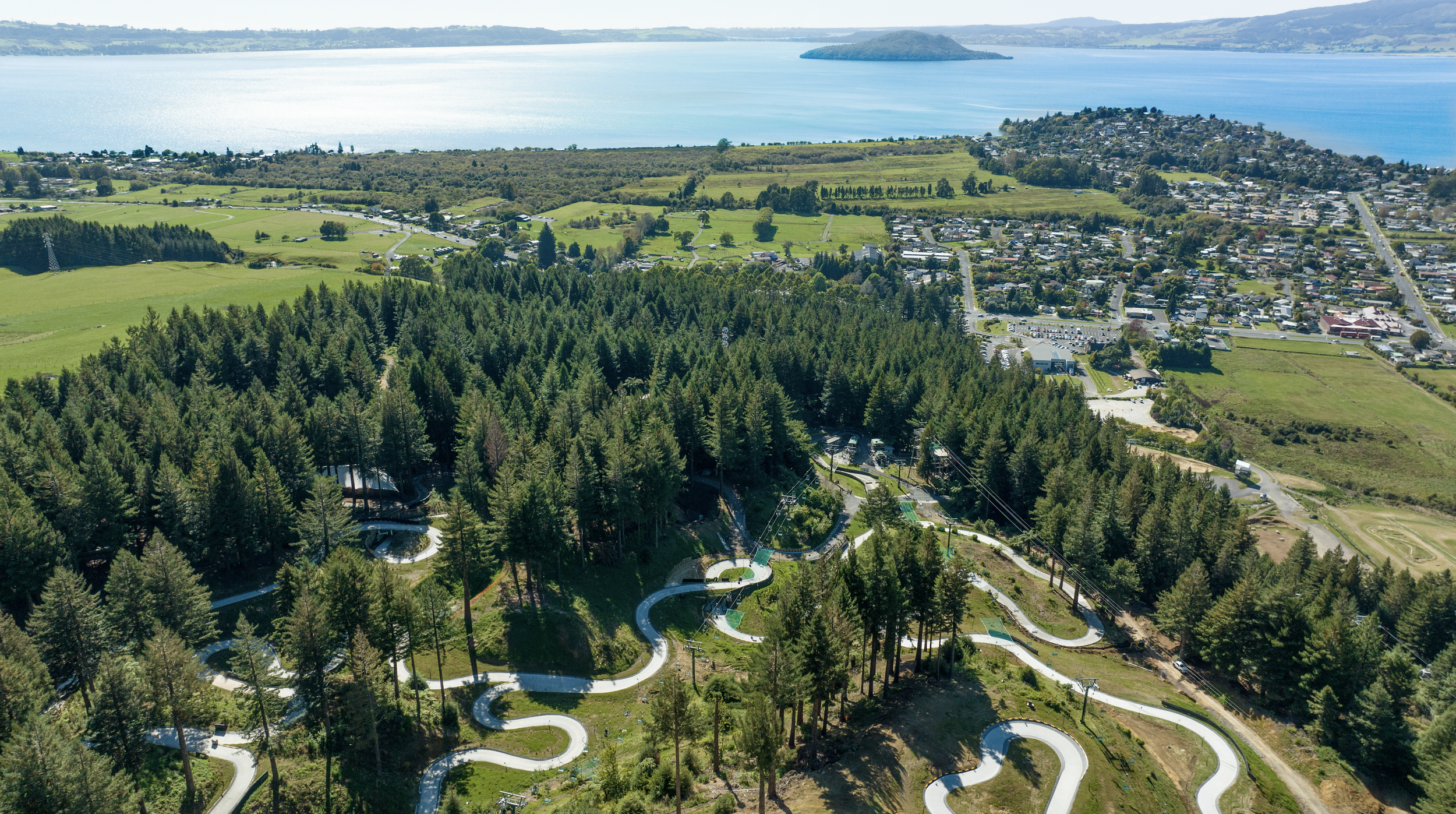
Skyline adds a different dimension entirely. A gondola lifts riders and bikes to the top of Mt Ngongotahā, from where a network of gravity-fed downhill and jump trails delivers a very different kind of ride to the cross-country flow of the Redwoods. This is where riders come to bank lap after lap without the climbing, working on jumps, berms, and drops in a bike-park setting.
Beyond the Core Network
Rotorua's riding extends further still, with trails around Whakarewarewa's southern boundary and connections toward the wider Rotorua lakes district offering additional variety for riders staying longer than a few days. Taken together, this is what makes Rotorua function less like a single trail centre and more like an entire riding region.
This range and depth of terrain is exactly why Ride Retreat's guided experiences are structured the way they are. Rather than leaving riders to piece together a network with hundreds of intersecting trails, each day is planned around current conditions, group ability, and which part of the network will deliver the best riding on that particular day.
Understanding Rotorua's Trail Grading System
Rotorua's trails follow the same internationally recognised grading system used across most of New Zealand, which makes it straightforward to plan a trip around genuine ability rather than guesswork.
Green (Beginner): Wide, smooth, gently graded trails with predictable surfaces. Ideal for a first day in the saddle, for building confidence, or for an active recovery day between bigger efforts.
Light Blue (Easy): This is where most of Rotorua's most-loved trails sit. Flowing berms, rollable technical features, and just enough challenge to keep experienced riders engaged while remaining genuinely accessible to newer riders. Trails like Corners and Tuhoto Ariki fall into this bracket and are frequently cited as some of the best flow trails in the country.
Dark Blue (Intermediate): Steeper gradients, exposed roots, tighter technical sections, and features that demand real commitment. Riding well at black-trail level requires both fitness and technical control.
Black (Advanced): Rotorua's proving ground, and the grade that has hosted World Cup-level competition. Big drops, technical rock gardens, and descents that punish hesitation. These trails are not the place to test new skills without guidance.
Red (Expert): These are Rotorua's most committing lines, featuring mandatory drops, steep chutes, complex technical features, and consequences that leave little margin for error. Built for expert riders with exceptional technical ability, they're as much a test of judgement as they are of skill.
BEST TIME TO RIDE IN ROTORUA
Summer (December to February) brings long daylight hours, bone-dry hardpack trails, and the busiest, most energetic atmosphere in town. This is peak season, so trails, accommodation, and guided trips book out well in advance.
Autumn (March to May) is widely considered the sweet spot by locals. Temperatures cool into a comfortable riding range, crowds thin out noticeably, and the trails remain in excellent condition. For riders chasing quality time on the bike without summer's congestion, this is often the ideal window.
Winter (June to August) is quieter still, and while temperatures drop, the Redwoods in particular hold up remarkably well thanks to that same free-draining soil. Winter riding in Rotorua has a different character entirely: crisp mornings, near-empty trails, and a more intimate, focused feel to the whole experience.
Spring (September to November) sees the forest come back to life with fresh undergrowth and steadily warming, drying conditions heading into the summer rush.
There is genuinely no bad time to ride Rotorua, which is part of why Ride Retreat runs retreat dates across multiple seasons rather than confining trips to a single peak window. A summer retreat and an autumn retreat can feel like two different trips entirely, and choosing the right one comes down to what kind of experience a rider is after.
Planning a Rotorua MTB Trip: What to Know Before You Arrive
A few practical details make a real difference to how smoothly a trip runs.
Bike hire and servicing: Rotorua has a great bike hire and servicing scene given how central mountain biking is to the town's economy, so arriving without a bike is rarely a barrier to a great trip.
Trail conditions and closures: Even with excellent drainage, heavy rain events can occasionally close specific trails for maintenance. Checking current trail status before heading out saves wasted time.
Group riding logistics: With hundreds of interconnecting trails, riding in a large group without local knowledge can eat up significant time simply navigating between sections. This is one of the most common reasons visiting groups end up seeing far less of the network than they had planned.
Fitness and altitude: Rotorua sits at a modest elevation, so altitude is not a factor, but the climbing between trail sections is real. Riders coming from flatter regions should expect a genuine physical effort, particularly across a multi-day trip.
Local Insider Tips for Riding Rotorua
A handful of things become obvious only after real time spent riding this network:
Ride the Redwoods early. The morning light filtering through the redwood canopy is spectacular, the trails are far quieter, and the cooler temperature makes climbing noticeably more comfortable.
Build geothermal recovery into the schedule. Rotorua's natural hot pools are genuinely part of the riding culture here, not just a tourist add-on. A soak after a big descent day measurably changes how the legs feel the next morning.
Learn the trail etiquette early. With heavy daily traffic through the Redwoods, understanding which trails are one-way, which are shared with walkers and runners, and how right-of-way works will save a lot of frustration on busier days.
Local knowledge beats any map. The network is large enough that even confident, experienced riders can burn half a day simply figuring out connections that a local rider would link together in minutes.
Don't underestimate the blue trails. Visiting riders sometimes assume intermediate trails will feel easy. Rotorua's blue-graded trails are internationally regarded as some of the best flow riding anywhere, and they reward real attention.
This last point captures the heart of what a guided trip adds to a Rotorua visit. The region rewards those who know it intimately, and that local knowledge shapes every Ride Retreat itinerary, from the trail selection each morning through to the recovery built into every evening.
Frequently Asked Questions About Mountain Biking in Rotorua
Is Rotorua good for beginner mountain bikers? Yes. The green and blue-graded trails throughout the Redwoods are wide, well-formed, and forgiving, making Rotorua one of the most accessible places in the world for someone riding singletrack for the first time.
How many days should I spend mountain biking in Rotorua? Three to five days is enough to experience a genuine cross-section of the network without feeling rushed. Longer trips allow time to progress through skill levels with proper recovery between big riding days.
What is the best trail network in Rotorua for intermediate riders? The Whakarewarewa Forest (Redwoods) offers the deepest selection of blue-graded flow trails in the region, making it the best starting point for intermediate riders looking to build confidence and mileage.
Do I need to bring my own mountain bike to Rotorua? No. Rotorua's bike hire and servicing infrastructure is well established given the town's status as a riding destination, so arriving without a bike is not a barrier to a full trip.
What is the best season to mountain bike in Rotorua? Every season offers rideable trails thanks to the region's free-draining volcanic soil, but autumn (March to May) is often considered the sweet spot, combining excellent trail conditions with smaller crowds than peak summer.
Ready to Ride Rotorua Properly?
Rotorua's trail network is genuinely world-class, but the difference between a good trip and an unforgettable one comes down to guidance, timing, and local knowledge built over years of riding here. That is exactly what Ride Retreat is built around.
If you're ready to spend less time organising and more time riding, we'd love to welcome you to Ride Retreat. Book here.
